
The Wet Season in Far North Queensland: What It's Really Like


From November, the questions I receive change. Instead of "What should we see?" people start asking "Is it going to rain the whole time?" and "Should we still come?"
The short answer is yes, many people visit in the wet season and have a wonderful time. But it is a different experience from the dry season, and it helps to know what to expect.
When is the wet season?
There is no single official date, but the wet season generally refers to the hotter, more humid months. According to the Bureau of Meteorology, most of Cairns' rain falls between January and March, and the monsoon influences the region from about December to March, bringing warm to hot, humid conditions.
Two other seasons overlap with it:
- Tropical cyclone season officially runs from 1 November to 30 April, according to the Queensland Government, although cyclones can occur at other times.
- Marine stinger season generally runs from November to May.
What the weather is actually like
Cairns' average annual rainfall is about 1,992 mm, and much of it falls in the first months of the year. The Bureau of Meteorology gives typical mid-summer temperatures of around 23°C overnight and 31°C during the day.
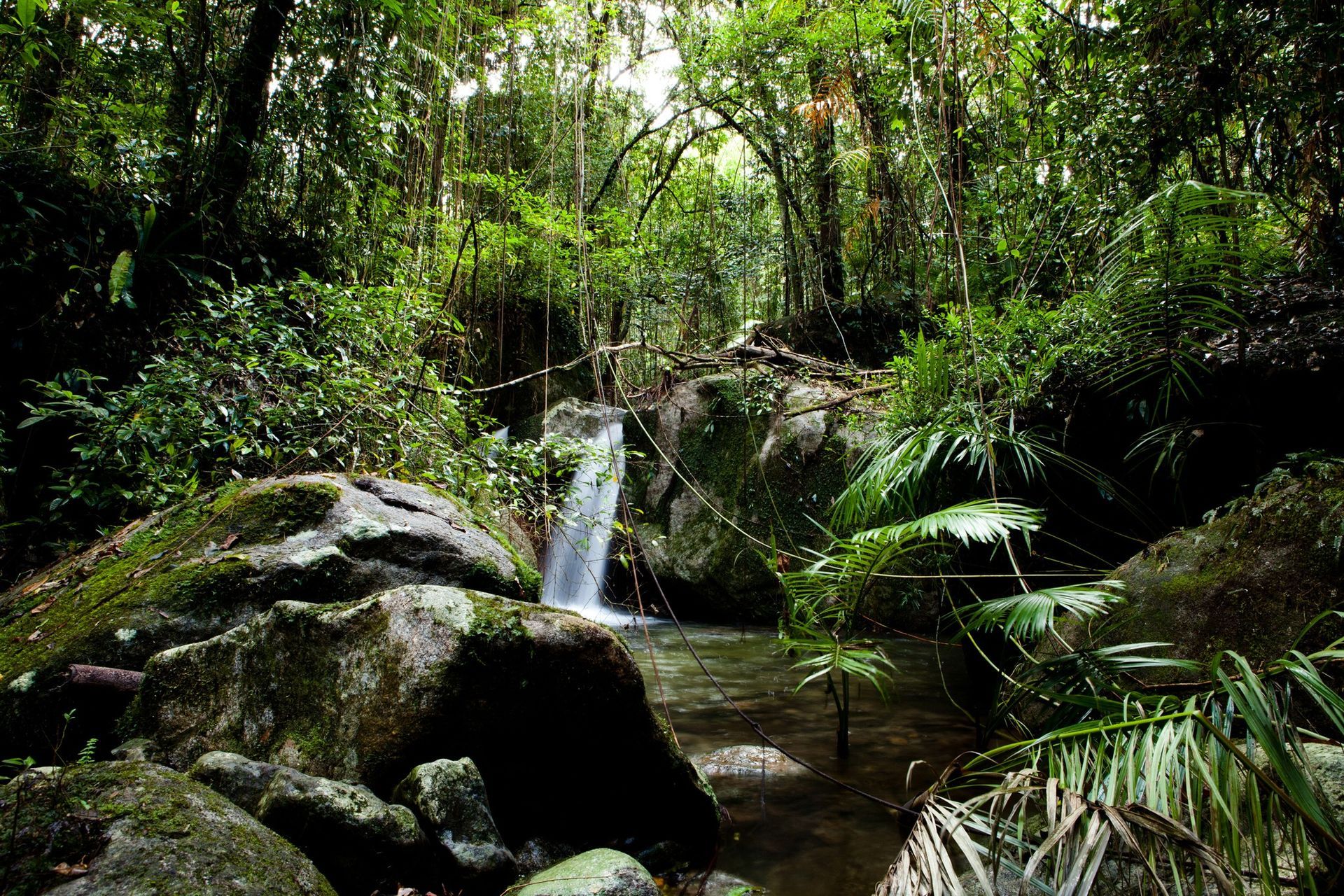
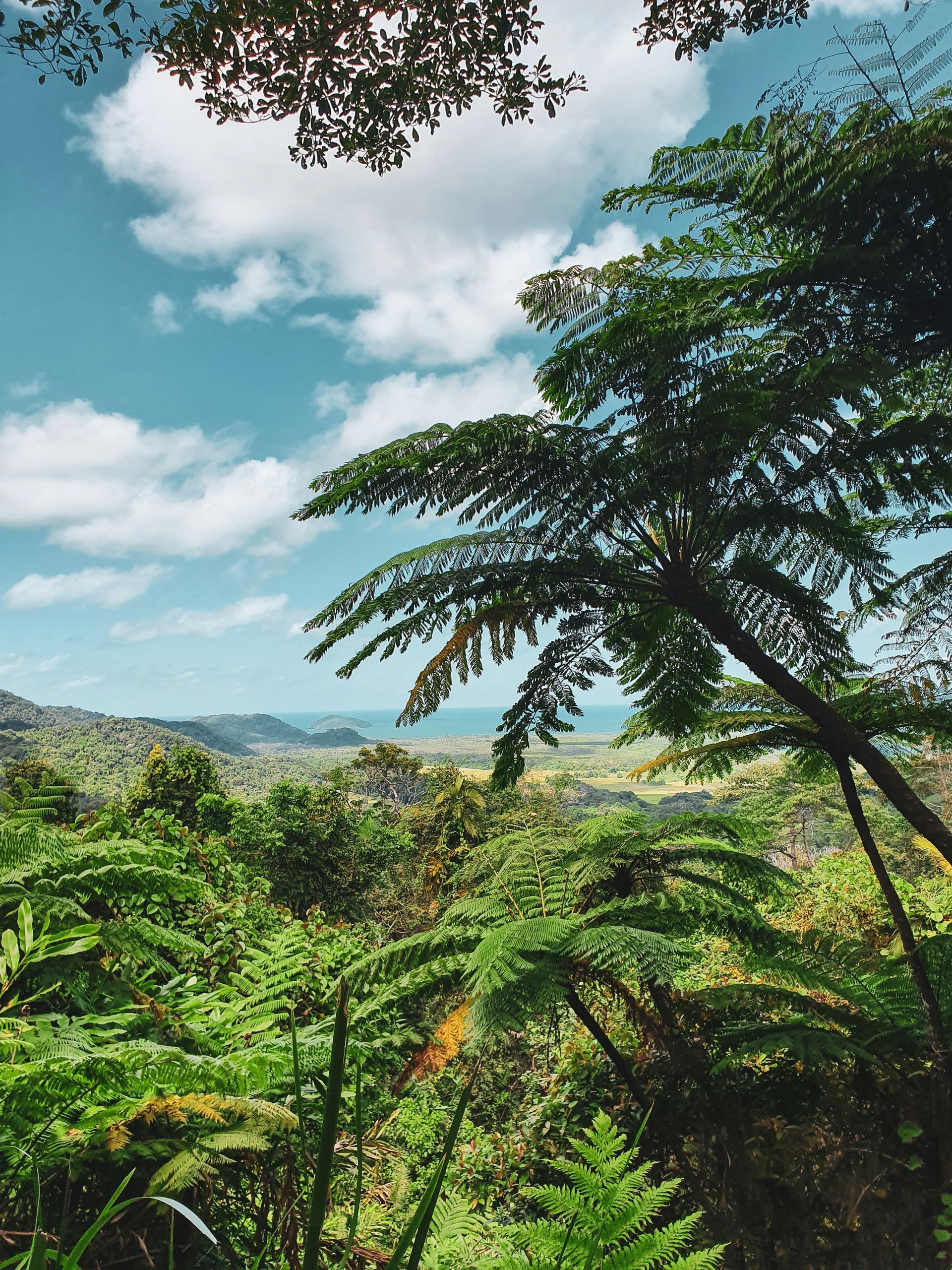
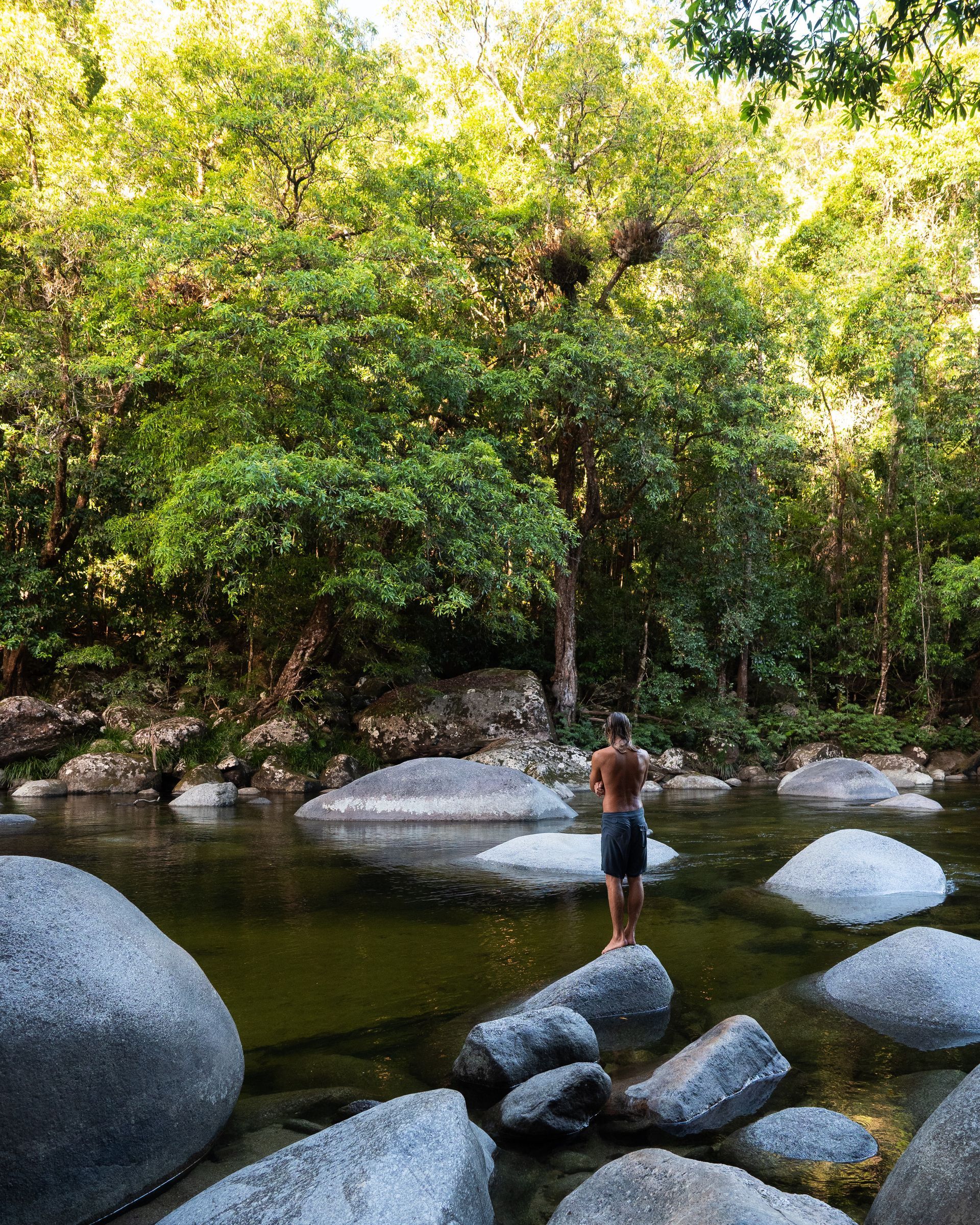
Wet season doesn't mean that it is raining all day every day, it often comes in downpours lasting anywhere from a short burst to a longer event. Personally, this is the time of year when the rainforest is at it's best and everywhere is beautiful and green. It's one of our favourite times of the year to spend the day in the rainforest.

what is better in the wet season
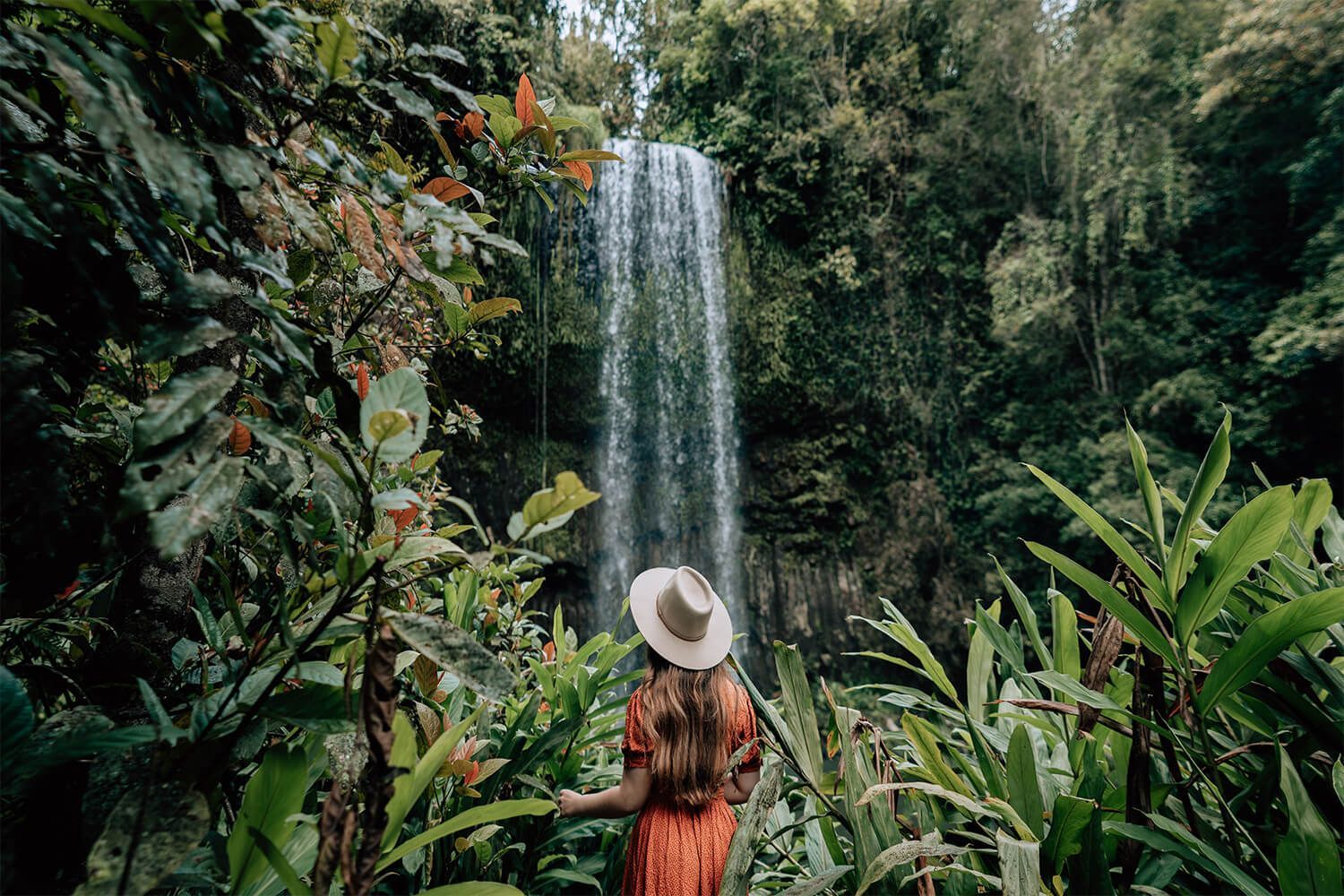
- The landscape. The rainforest is at its greenest and the waterfalls are at their fullest. Barron Falls on our Kuranda tour, and Mena Creek Falls at Paronella Park, look very different after rain.
- Fewer visitors outside school holidays. The weeks outside the Christmas and January holidays are generally quieter.
- Warm water and long days. It is summer, after all.
What to plan around
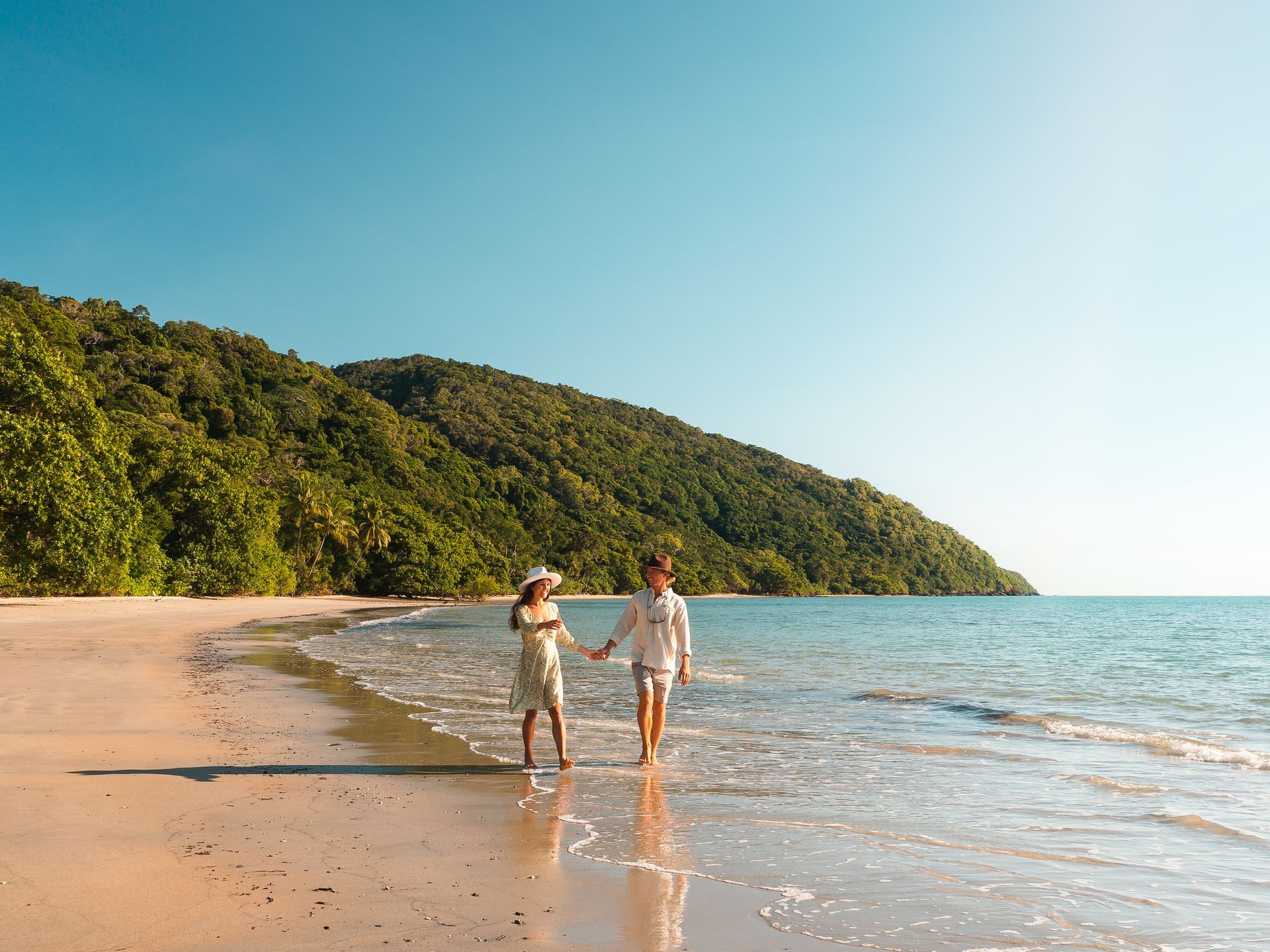
- Swimming. Stinger season means swimming only at patrolled beaches, between the flags, inside stinger enclosures where they are in place and ideally in a full-body lycra suit. Read the signs and follow lifeguard advice. Crocodile warnings apply year-round.
- Heavy rain and roads. Very heavy rain can affect roads and river crossings, particularly north of the Daintree River. Check current conditions before you travel. When we run tours in the wet, we watch conditions closely and will talk to you about any changes.
- Cyclones. Most wet seasons pass without a cyclone affecting your particular holiday, but it is sensible to follow the Bureau of Meteorology's warnings, have travel insurance in place and follow local advice if one does form.
- The heat. Plan active things for the morning and keep afternoons slower.
Is it worth visiting in the wet season?
If you want guaranteed dry days for long rainforest walks, the dry season (roughly May to October) will suit you better. I wrote about one of my favourite dry-season months in Why September Is One of Our Favourite Months.
If you are comfortable with heat, humidity and the occasional downpour, the wet season shows you a lusher, more dramatic side of the tropics. Building flexibility into your plans is the key. Choose a base, keep a couple of days unscheduled and be ready to swap a beach day for a rainforest or waterfall day.
A private tour can help here, because the day can be adjusted to the conditions. If you have questions about travelling in the wet season, please get in touch.


Share this article